 Research Articles
Curated archive
Archive tools
Search and browse the archive
Use search to refine article topics, then move between numbered pages without losing the current query.
Showing 253-264 of 340 articles
Page 22 of 29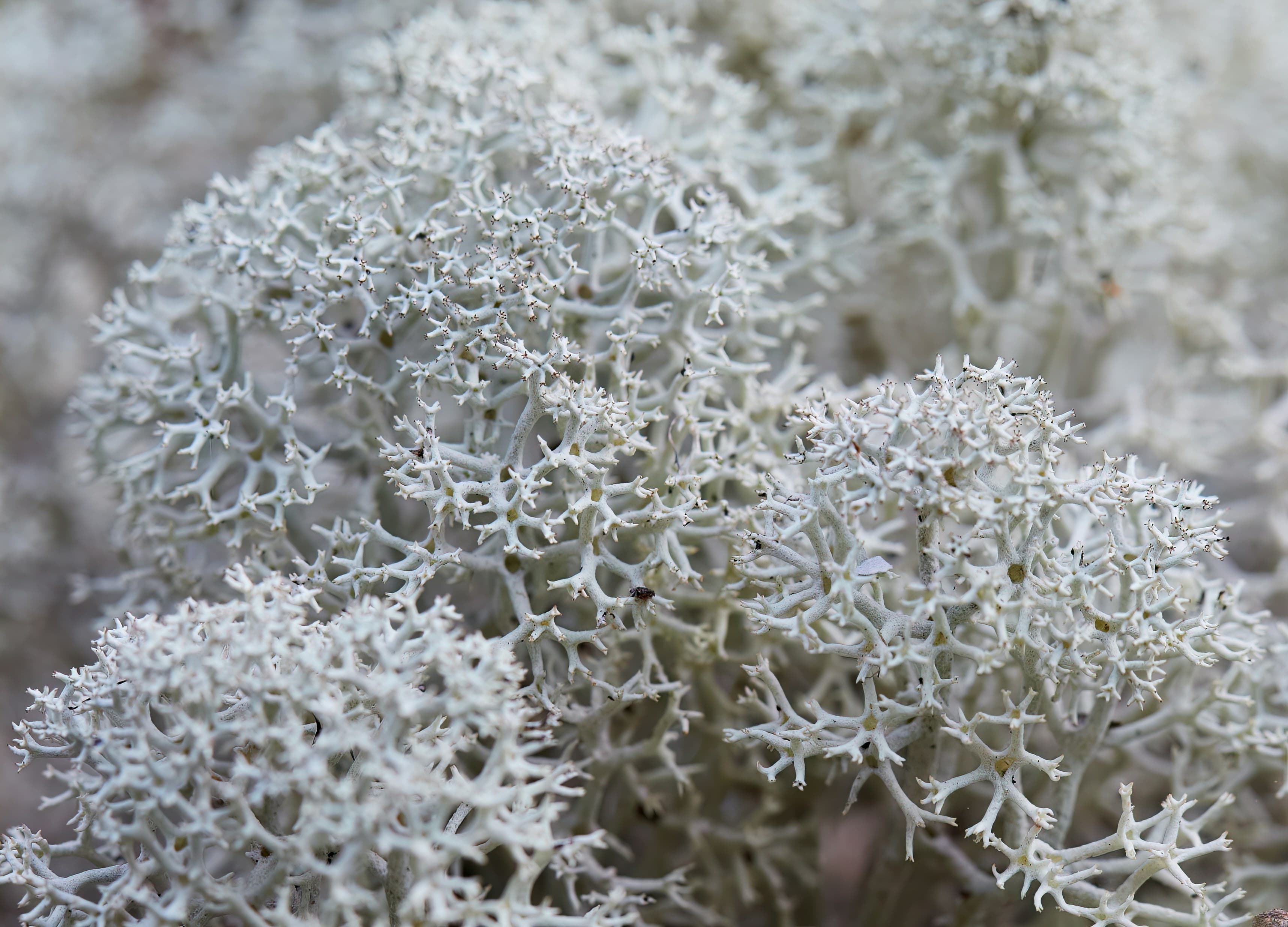
Astrobiology
Biomarker Preservation in Antarctic Sandstones after Prolonged Space Exposure Outside the International Space Station During the ESA EXPOSE-E Lichens and Fungi Experiment.
JUFO Level 1 • 3 panels
Biomarkers, crucial indicators of past or present life, encompass pigments, lipids, and amino acids. A recent study demonstrates the remarkable stability of these compounds, specifically melanin, carotenoids, and chlorophyll, within Antarctic sandstones exposed to Martian-like conditions on the ISS. This finding underscores their viability for detecting potential life on Mars, advancing astrobiology research.
Organic and biomolecular chemistry
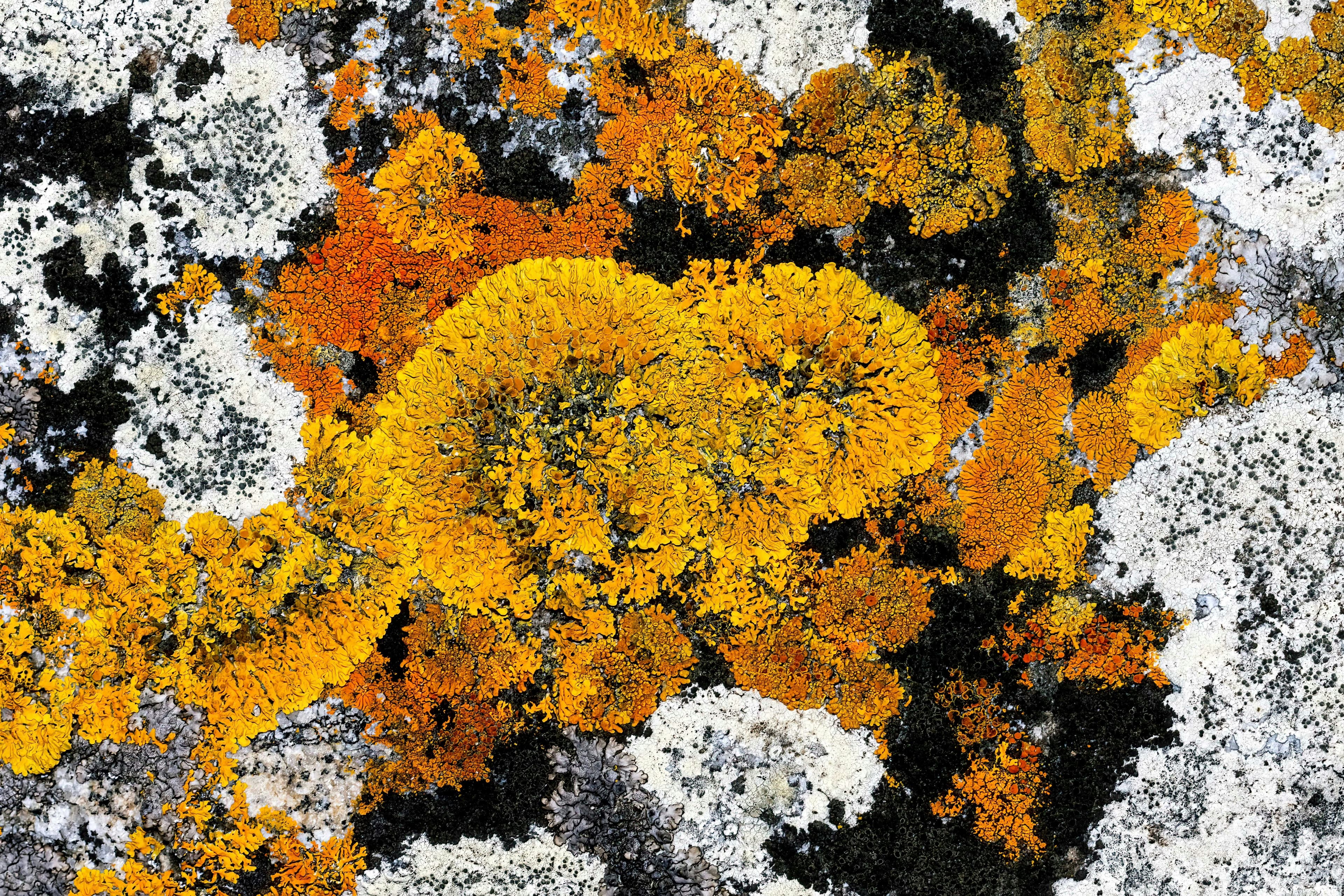
Combined antifungal nanocarriers based on self-assembled nystatin and pillar[5]arene with a terpene moiety.
JUFO Level 2 • 4 panels
Nystatin is an antifungal antibiotic, and pillar[5]arene is a macrocyclic compound known for forming host-guest interactions. The study highlights a novel nanocarrier system combining self-assembled nystatin and pillar[5]arene with a terpene moiety, demonstrating enhanced antifungal efficacy against Candida species clinical isolates. This approach suggests a promising advance in antifungal therapies.
Proceedings of the National Academy of Sciences of the United States of America
Disease resistance is more costly at younger ages: An explanation for the maintenance of juvenile susceptibility in a wild plant.
JUFO Level 3 • 24 panels
In Silene latifolia, genetic analysis reveals high costs of resistance to the fungal pathogen Microbotryum lychnidis-dioicae during juvenile stages. This study demonstrates that these costs hinder the evolution of increased juvenile resistance, thus explaining persistent juvenile susceptibility. The findings underscore the importance of age-specific resistance and fitness in disease dynamics across plant lifetimes.
IMA Fungus
Divergent altitudinal patterns of arbuscular and ectomycorrhizal fungal communities in a mid-subtropical mountain ecosystem
JUFO Level 1 • 6 panels
Arbuscular mycorrhizal fungi (AMF) and ectomycorrhizal fungi (EMF) form symbiotic plant relationships, vital in mountain ecosystems. Research in Wuyi Mountain reveals AMF thrives at mid-altitudes, EMF at low altitudes. Stochastic processes guide community assembly, while soil properties drive ecosystem multifunctionality, emphasizing their roles in ecological adaptation and conservation.
Genetics
A new set of mutations in the second transmembrane helix of the Cox2p-W56R substantially improves its allotopic expression in Saccharomyces cerevisiae.
JUFO Level 2 • 7 panels
Allotopic expression refers to the expression of mitochondrial genes in the nucleus instead of their native location. This study reveals that mutations in the second transmembrane helix of the Cox2p-W56R protein significantly enhance its expression in the nucleus of Saccharomyces cerevisiae, boosting mitochondrial incorporation and respiration. These findings advance genetic engineering for optimized yeast function.
Molecular biology and evolution
An alternative self-splicing intron lifecycle revealed by dynamic intron turnover in Epichloë endophyte mitochondrial genomes.
JUFO Level 3 • 7 panels
Self-splicing group I and II introns, genetic elements widespread across life, use 'homing' for inheritance. In Epichloë endophyte mitochondria, these introns deviate from the typical lifecycle, showing dynamic turnover with little degradation and rapid loss post-fixation. Findings suggest diverse evolutionary dynamics, possibly influenced by homing suppressors, challenging traditional models.
Microbiology spectrum
Genetic relationships of Aspergillus fumigatus in hospital settings during COVID-19.
JUFO Level 2 • 7 panels
This study explores the genetic relationships of Aspergillus fumigatus in hospital settings during the COVID-19 pandemic. It identifies genetic links between clinical and environmental isolates, suggesting potential nosocomial transmission, especially in ICUs. Findings raise concerns over current isolation practices and underscore the need for stringent environmental controls to mitigate CAPA risk.
Mycopathologia
qPCR-Based Molecular Detection of Trichophyton indotineae by Targeting Divergent Sequences
JUFO Level 1 • 6 panels
A new study on Trichophyton indotineae, a dermatophyte known for treatment resistance, introduces a qPCR-based diagnostic method targeting a distinct 499 bp sequence. This assay demonstrated 93.3% sensitivity and 100% specificity, offering an effective tool for accurate identification in mycology labs without relying on ITS single nucleotide polymorphisms.
Molecular plant pathology
Molecular Characterisation of the Peroxidase Gene Family in Botrytis cinerea and the Role of BcPRD7 in Virulence
JUFO Level 1 • 6 panels
This study explores the peroxidase gene family in Botrytis cinerea, highlighting BcPRD7's pivotal role in virulence. Key findings reveal BcPRD7 influences oxidase activity, stress responses, and pathogen development via Woronin body interactions. This research provides a framework for novel strategies in managing B. cinerea-related plant diseases.
Mycopathologia
Trends of Azole-Resistant Aspergillus Fumigatus Susceptibility Over 12 Years from a German ECMM Excellence Center
JUFO Level 1 • 6 panels
This study from a German ECMM Center assesses trends in azole-resistant Aspergillus fumigatus (ARAf) susceptibility. Over 12 years, 143 ARAf isolates reveal stable MICs for itraconazole and voriconazole but increased resistance mutations like TR46/Y121F/T289A post-2016, underscoring evolving antifungal resistance profiles.
Computational biology and chemistry
Multi-computational screening identifies homovanillic acid as a potential SAP5 inhibitor against Candida albicans biofilms
JUFO Level 1 • 4 panels
This study explores the inhibition of SAP5, an essential virulence factor in Candida albicans biofilms, utilizing computational screening techniques. Homovanillic acid emerges as a promising inhibitor, displaying a significant binding energy of -19.92 kcal/mol through molecular docking and MMGBSA analysis. These findings underscore the potential of computational methods to expedite antifungal drug discovery.
ChemistrySelect
New Quinoline Derivatives as Potential Multitherapeutic Agents: A Facile Synthesis via an Epoxide Ring Opening Reaction, Characterization, DFT Calculations, and Molecular Docking
JUFO Level 1 • 4 panels
Quinoline derivatives, organic compounds known for diverse pharmacological activities, have been synthesized through epoxide ring opening. This study highlights three new derivatives exhibiting hydrogen bonds, hydrophobic contacts, and π-π stacking, leading to significant antimicrobial, antitumor, and anti-inflammatory potentials. These findings may inform novel antifungal therapies targeting resistant strains.