 Research Articles
Curated archive
Archive tools
Search and browse the archive
Use search to refine article topics, then move between numbered pages without losing the current query.
Showing 241-252 of 340 articles
Page 21 of 29
Microbiology spectrum
Integrated microbiology and metabolomics analysis reveal the fermentation process and the flavor development in cigar tobacco leaf.
JUFO Level 2 • 7 panels
This study investigates microbial and metabolic mechanisms in cigar tobacco leaf fermentation, highlighting Cyanobacteria, Pseudomonas, and Staphylococcus as core bacterial communities, with Aspergillus, Penicillium, and Inocybe as pivotal fungi. It identifies key pathways in carbon-nitrogen coupling metabolism, revealing volatile compound formation as crucial for flavor development.
Mycologia
A new species of Periglandula symbiotic with the morning glory Ipomoea tricolor.
JUFO Level 2 • 6 panels
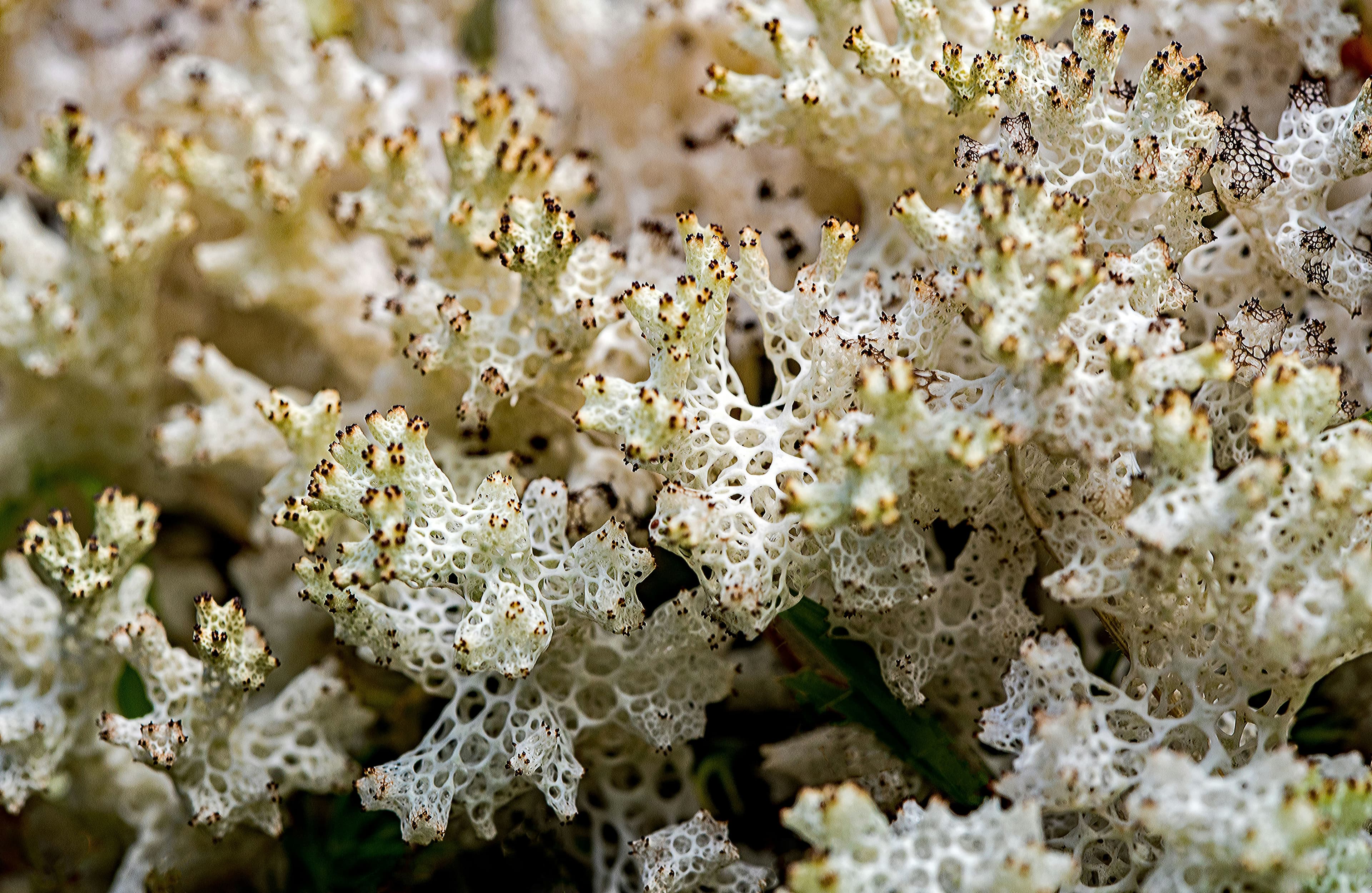
Periglandula is a genus of fungi known for forming symbiotic relationships with plants, producing ergot alkaloids. This study identifies a new Periglandula species associated with Ipomoea tricolor. The fungus exhibits slow-growing white hyphae and synnema-like structures without spores. Despite no root detection, ergot alkaloids were prevalent throughout all plant tissues, including roots.
Proceedings of the National Academy of Sciences of the United States of America
Diet-regulated transcriptional plasticity of plant parasites in plant-mutualist environments.
JUFO Level 3 • 24 panels
This study examines the transcriptional plasticity of plant parasites, offering insights into how these organisms adapt to variations in plant quality caused by mutualistic fungi. The findings reveal a mechanism enabling parasites to optimize parasitism and reproduction in response to host plant changes, highlighting dynamic interactions between parasitic animals and their plant-mutualist environments.
Microbiology spectrum
Distribution patterns of fungal community diversity in the dominant tree species Dacrydium pectinatum and Vatica mangachapoi in tropical rainforests.
JUFO Level 2 • 7 panels
This study delves into fungal community diversity in the leaves and roots of Dacrydium pectinatum and Vatica mangachapoi in Hainan Island's rainforests. Using high-throughput sequencing, researchers found significant compartmental distinctions, with higher α-diversity in leaves. Soil pH, rainfall, and temperature emerged as key environmental influencers, offering insights into tropical tree conservation strategies.
Journal of Animal Science and Biotechnology
Detoxification of coumarins by rumen anaerobic fungi: insights into microbial degradation pathways and agricultural applications
JUFO Level 1 • 6 panels
Coumarins, toxic phytochemicals that hinder nutrient cycling, have now been shown to be degraded by rumen anaerobic fungi. This study reveals Pecoramyces ruminantium F1's ability to metabolize coumarin into less harmful compounds through alpha/beta hydrolases and NAD(P)H oxidoreductases, offering new prospects for sustainable agriculture via fungal detoxification.
Microbiology spectrum
Genome-scale metabolic modeling reveals specific vaginal Lactobacillus strains and their metabolites as key inhibitors of Candida albicans.
JUFO Level 2 • 7 panels
The study utilizes genome-scale metabolic modeling to elucidate interactions between vaginal Lactobacillus strains and the fungal pathogen Candida albicans. By integrating metagenomic sequencing and in vitro validation, researchers identify specific Lactobacillus strains and metabolites capable of significantly inhibiting C. albicans, highlighting potential therapeutic avenues for managing candidiasis.
Microbiology spectrum
Simulated microgravity confines and fragments the straw-based lignocellulose degrading microbial community.
JUFO Level 2 • 7 panels
This research investigates the impact of simulated microgravity on lignocellulose degradation in space-life support systems. Utilizing clinostats, the study demonstrates that microgravity significantly impedes microbial interactions and lignocellulose breakdown, fragmenting phylogenetic networks and increasing antifungal metabolites. These findings offer insights for optimizing space-mission bioprocesses.
Microbiology spectrum
Potential role of lysine acetylation in the stepwise adaptation of Candida albicans to fluconazole.
JUFO Level 2 • 7 panels
Lysine acetylation, a post-translational modification affecting protein function, is explored in Candida albicans' adaptation to fluconazole resistance. By examining strains from a patient with differing resistance, researchers suggest that lysine acetylation may influence resistance through its regulation of energy metabolism and protein synthesis. This highlights a novel avenue for understanding antifungal resistance mechanisms.
Network Modeling Analysis in Health Informatics and Bioinformatics
Virtual screening of azoles libraries: the search for potential anti-mucormycotic agents using computational tools
JUFO Level 1 • 2 panels
Mucormycosis, a severe fungal infection by Mucorales fungi, faces rising incidence and treatment challenges due to drug resistance. This study utilized virtual screening of over 50,000 azoles for anti-mucormycotic potential, identifying Thuggacin B and a ritonavir analogue as promising candidates. Both compounds displayed high binding affinity and favorable pharmacokinetics, meriting further in vitro research.
Journal of the American Chemical Society
Semiartificial Photoelectrochemistry for CO2-Mediated Enantioselective Organic Synthesis
JUFO Level 3 • 4 panels
This study explores semiartificial photoelectrochemical (PEC) cells, traditionally used for solar fuel synthesis, to achieve enantioselective organic synthesis from CO2. By integrating enzymatic domino catalysis into PEC cells, researchers synthesized chiral 1-phenylethanol efficiently. This novel approach demonstrates the potential of PEC technology in sustainable, light-driven biocatalysis.
Microbiology spectrum
Protein-mediated stabilization of amphotericin B increases its efficacy against diverse fungal pathogens.
JUFO Level 2 • 7 panels
Amphotericin B (AMB) is a broad-spectrum antifungal agent challenged by solubility and toxicity issues. This study reveals that proteins, particularly fungal hydrophobins, stabilize AMB in its monomeric form, enhancing its solubility and efficacy. The findings suggest protein-mediated stabilization could lower AMB dosages, potentially reducing side effects and optimizing antifungal therapies.

Proceedings of the National Academy of Sciences of the United States of America
A plant CLE peptide and its fungal mimic promote arbuscular mycorrhizal symbiosis via CRN-mediated ROS suppression.
JUFO Level 3 • 24 panels
Arbuscular mycorrhizal (AM) symbiosis involves a mutualistic relationship between plant roots and fungi. Recent research identifies that the plant peptide MtCLE16, and its fungal counterpart, function through the pseudokinase MtCRN to suppress reactive oxygen species (ROS) in Medicago truncatula. This suppression attenuates immune responses, facilitating enhanced AM fungal colonization in roots.