 Research Articles
Curated archive
Archive tools
Search and browse the archive
Use search to refine article topics, then move between numbered pages without losing the current query.
Showing 1-12 of 316 articles
Page 1 of 27
Fungal diversity
Classification across the major fungal databases – the need for standardization
JUFO Level 3 • 6 panels
The study investigates classification discrepancies across major fungal databases such as Species Fungorum and GenBank, revealing inconsistencies in 57.29% of examined genera. Discrepancies, most frequent at the family level, impact taxonomy and research. Authors advocate for standardized classifications to enhance reliability and reproducibility in mycology.
.jpg&w=3840&q=75)
Ecology
Diversity–productivity relationships in ericaceous plants are influenced by interactions with ericoid mycorrhizal fungi
JUFO Level 3 • 6 panels
In studying ericoid mycorrhizal fungi, symbiotic partners of ericaceous plants, researchers report that plant productivity is significantly influenced by the interplay between plant and fungal diversity. They found that the positive effects of plant diversity on productivity only manifested at higher fungal diversity, suggesting critical implications for agricultural and ecological restoration practices.
Mycologia
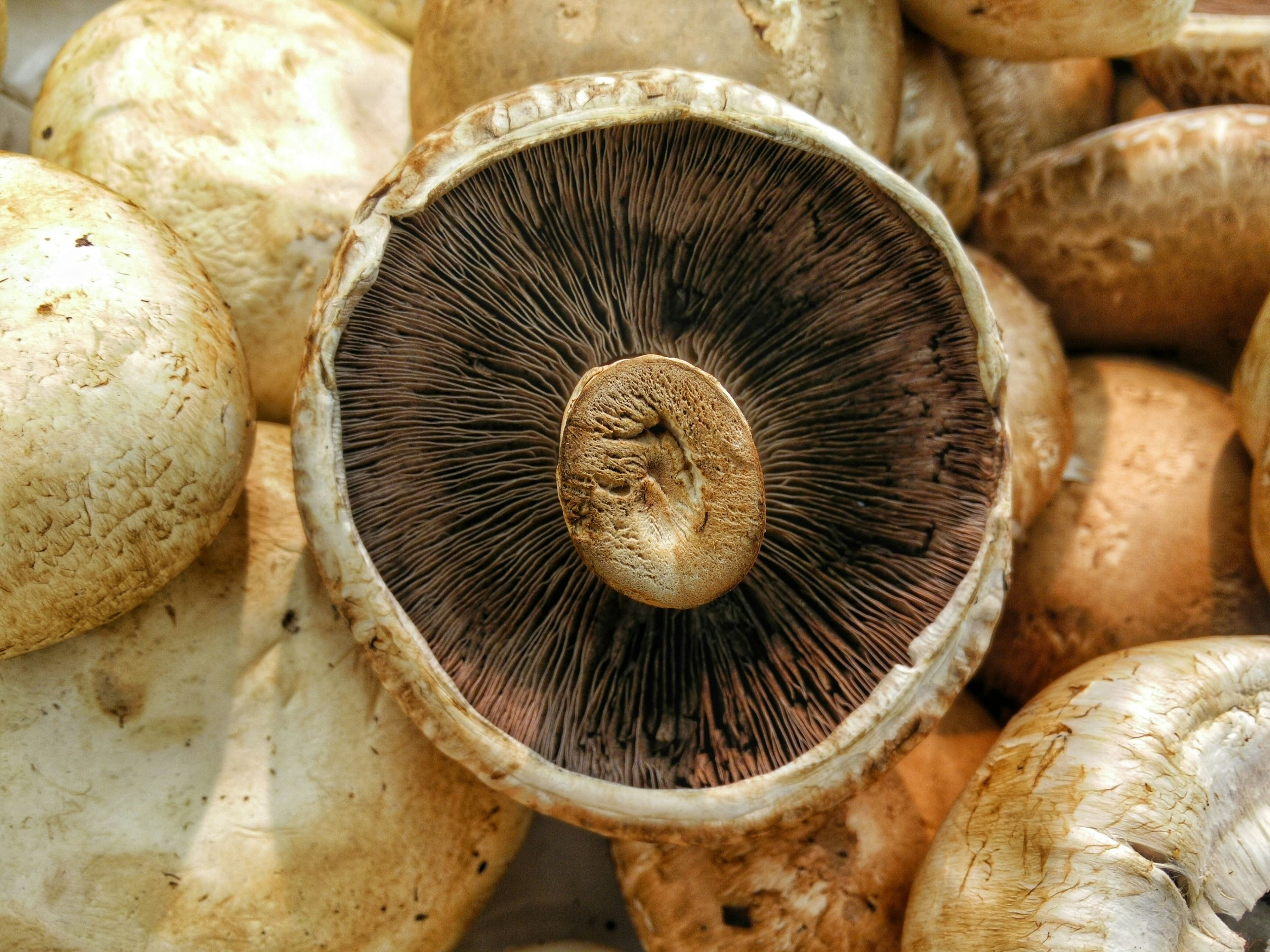
High ascomycete diversity and novel fungal associations found in expanding Epipactis helleborine populations outside their native range.
JUFO Level 2 • 6 panels
This study examines the mycorrhizal associations of the introduced orchid Epipactis helleborine on Vancouver Island. Notably, the orchid associates with a broad diversity of Ascomycota, including Wilcoxina and a novel connection with Rhexocercosporidium. These findings suggest adaptability in fungal partnerships, likely facilitating the orchid's geographical spread.
Mycologia
Two new species of Cortinarius subgenus Telamonia section Firmiores (Agaricales, Basidiomycota) from Europe and North America.
JUFO Level 2 • 6 panels
This study introduces two novel species within Cortinarius subgen. Telamonia sect. Firmiores: Cortinarius curiosus and C. ferrugineochraceus, identified via phylogenetic and morphological analyses. Notably, C. curiosus joins the /Alboviolacei clade, while C. ferrugineochraceus forms a distinct lineage in the /Turgidoides clade, offering insights into their ecological associations and morphological distinctions.
Microbiome
Microbiome analysis and epigenetic patterns revealed distinct differences between two elm species with contrasting Dutch elm disease resistance
JUFO Level 3 • 7 panels
This study explores the differing resistance to Dutch elm disease (DED) between Chinese elm (Ulmus parvifolia) and European wych elm (Ulmus glabra). Key findings reveal distinct microbiome compositions and epigenetic markers. Notably, U. parvifolia exhibits enriched resistance-associated microbes and altered nucleoside modifications, suggesting these factors may contribute to its DED tolerance.
Fungal diversity
A database and outline of macrofungi with comparative genomic insights
JUFO Level 3 • 6 panels
Macrofungi, fungi with visible fruiting bodies, are ecologically and economically pivotal. A new hierarchical outline and the MTSEM database classify 1,982 macrofungal genera, revealing macrofungi's genomic traits of larger genomes and increased regulatory functions. This database serves as a crucial, continuously updated resource for macrofungal taxonomy and biodiversity research.
Mycologia
Feast or fight: Assessing the functions of putative nematode-trapping structures in saprotrophic Agaricales.
JUFO Level 2 • 6 panels
In the context of mycology, nematophagy refers to fungi consuming nematodes to boost nitrogen intake. This study reviews saprotrophic Agaricales, revealing that while Hohenbuehelia mastrucata, Pleurotus citrinopileatus, and P. djamor trap nematodes, structures in Stropharia rugosoannulata and Coprinus comatus, previously thought to trap nematodes, might serve a defensive role against fungivory.
Fungal diversity
FunEndo: A Comprehensive Global-Scale Fungal Endophyte Repository
JUFO Level 3 • 6 panels
Fungal endophytes are symbiotic fungi living within plants, playing crucial ecological roles. The FunEndo repository, consolidating ~105,000 records, uncovers a dominance of Ascomycota and organ-specific fungal genera across diverse plants. Findings reveal weak phylogenetic constraints in plant-fungi interactions, with community assembly shaped by ecological and spatial factors, underscoring endophyte complexity.
Ecology
Environmental stress strengthens plant-mycorrhizal associations: A novel extension of the stress gradient hypothesis.
JUFO Level 3 • 6 panels
The stress gradient hypothesis traditionally suggests that plants experience more facilitative and fewer antagonistic interactions under environmental stress. This study reveals that in Oregon's Cascade Range, high stress environments enhance plant associations with mycorrhizal fungi, shifting forest composition. This highlights the critical role of mutualist-plant interactions in stressful climates.
Veterinary parasitology
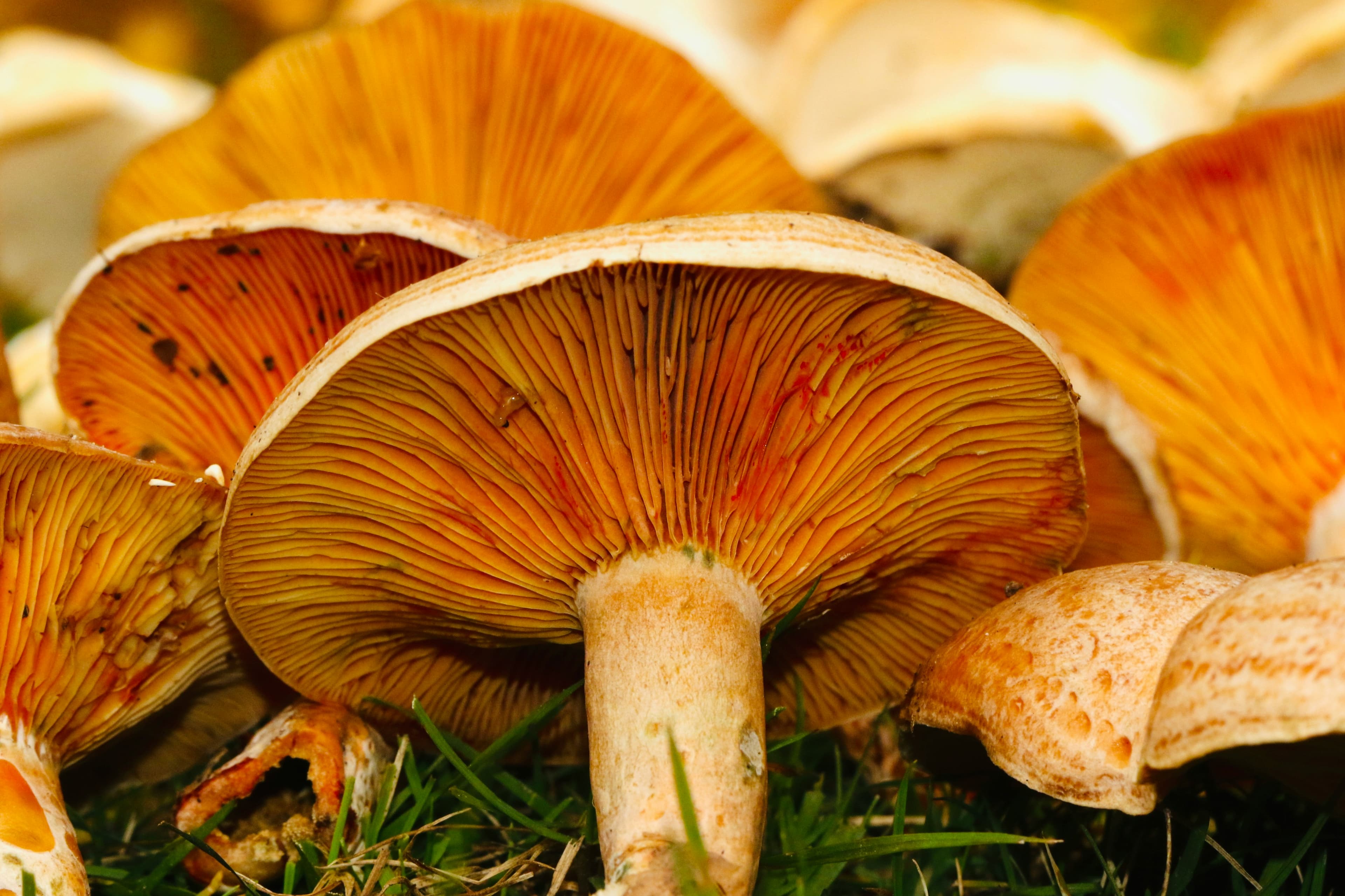
Anticoccidial in vitro and in vivo effect of Pleurotus djamor against Eimeria spp. of the rabbit Oryctolagus cuniculi.
JUFO Level 2 • 15 panels
Pleurotus djamor, a nutraceutical mushroom, exhibits promising anticoccidial effects against Eimeria spp. in rabbits. In vitro, a 10 µg/ml mycelium extract reduced viable oocysts to 30.3%. In vivo, an 80 µg/kg dose achieved a 74.4% parasite load reduction by day 5. These findings highlight P. djamor's potential as a therapeutic agent for rabbit coccidiosis.
Fungal diversity
Fungal Safari on Palm Trees: New Discoveries from East Asia and Global Records from 1990–2025
JUFO Level 3 • 6 panels
The study 'Fungal Safari on Palm Trees' synthesizes 35 years of research on palm-associated fungi, elucidating the extensive diversity and host associations in tropical regions. Key findings reveal 48 new species, eight new genera, and six new families, highlighting East Asia's rich fungal diversity. Estimates suggest 44,500 to 72,000 fungal species could be palm-associated globally, underlining significant biodiversity.
Mycologia
New findings on ascus structure reveal forcible spore discharge mechanism in the fungal wheat pathogen Fusarium graminearum.
JUFO Level 2 • 6 panels
Research on Fusarium graminearum, a wheat pathogen, reveals a forcible spore discharge mechanism within the ascus, a spore sac key to the spread of Ascomycota fungi. Confocal microscopy identified a dual-chamber structure: a support chamber and a pressurizable chamber lined with chitin, facilitating spore alignment and discharge. This insight may aid in controlling fungal pathogen dissemination.