 Research Articles
Curated archive
Archive tools
Search and browse the archive
Use search to refine article topics, then move between numbered pages without losing the current query.
Showing 49-60 of 316 articles
Page 5 of 27
Fungal diversity
Taxonomy and phylogeny of lignicolous freshwater fungi from plateau lakes in Yunnan Province, China
JUFO Level 3 • 6 panels
A new study on lignicolous freshwater fungi—organisms that decompose wood—in Yunnan's plateau lakes introduces two novel genera, Neomoromyces and Rostraeuseptisporum, and identifies 40 new species, including Apiospora fuxianhuensis and Sporidesmiella dujuanhuensis. The research offers insights into their phylogenetic relationships and distinctive morphological traits, enriching our understanding of fungal biodiversity in aquatic ecosystems.
ChemistrySelect
Medicinal Mushrooms: Bioactive Components, Pharmacological, Immunological and Toxicological Insights
JUFO Level 1 • 4 panels
The comprehensive review on medicinal mushrooms explores bioactive compounds and their therapeutic properties, including cardioprotective and anticancer effects. Highlighting extraction techniques and immunomodulatory actions, it analyzes 98 species like Ganoderma lucidum and Cordyceps sinensis. This work serves as a foundational resource for future mycological studies.
Angewandte Chemie
Dissimilar Reactions and Enzymes for Psilocybin Biosynthesis in Inocybe and Psilocybe Mushrooms.
JUFO Level 3 • 4 panels
This study examines the divergent enzymatic processes for psilocybin biosynthesis in Inocybe and Psilocybe mushrooms. Notably, Inocybe corydalina utilizes unique enzymes, including IpsD, IpsK, IpsM1, and IpsM2, resulting in an alternate pathway producing baeocystin alongside psilocybin. These findings underscore independent evolutionary adaptations for psilocybin synthesis.
Mycologia
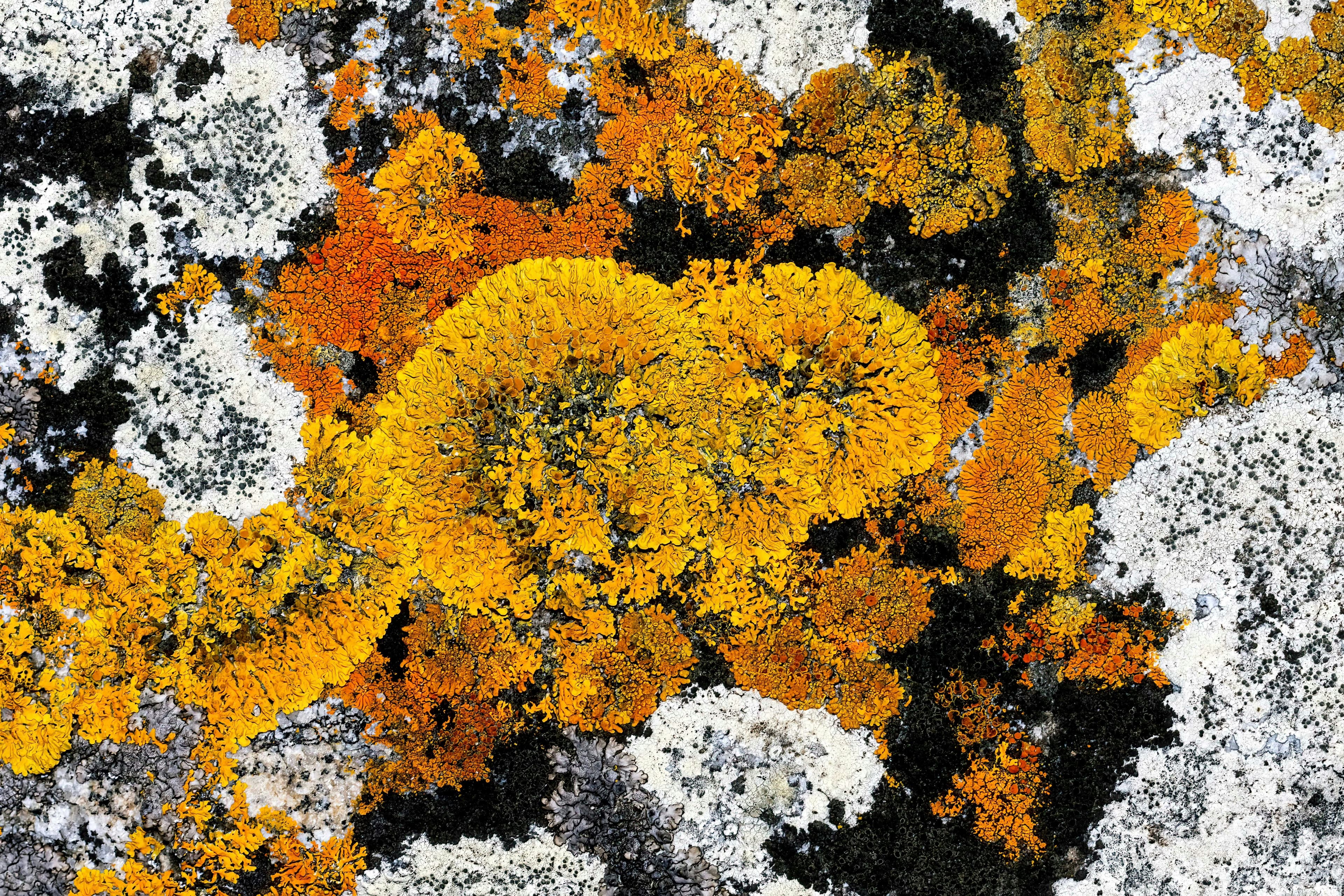
Evidence for extensive diversity in the pollen-parasitic genus Retiarius in western North America, including two new species associated with lichens.
JUFO Level 2 • 6 panels
This study explores the diversity of Retiarius, a pollen-parasitic genus of fungi, in western North America. Researchers discovered multiple lineages and introduced two new species: Retiarius canadensis, with trinacrium-shaped conidia, and Retiarius crescentus, noted for its unique canoe-shaped conidia, expanding the known morphological diversity within the genus.
Fungal diversity
New and notable taxa of Basidiomycota on the Qinghai-Xizang Plateau and its surrounding areas
JUFO Level 3 • 6 panels
This study explores the Basidiomycota, a major fungal division including mushrooms, within the Qinghai-Xizang Plateau. Findings indicate that altitude significantly influences fungal development more than geographical distance. Furthermore, species spanning the western Himalayas to Taiwan exhibit a strong temperate affinity, suggesting altitude-driven ecological adaptations throughout this region.
Biogeosciences
Soil microbial diversity and network complexity promote phosphorus transformation – a case of long-term mixed plantations of Eucalyptus and a nitrogen-fixing tree species
JUFO Level 2 • 5 panels
A recent study examines the influence of mixed Eucalyptus and nitrogen-fixing tree plantations on soil phosphorus transformation. Results reveal that such mixed plantations enhance microbial diversity and network complexity, notably increasing the relative abundance of functional genes involved in nitrogen and phosphorus cycles. This suggests a potential strategy for optimizing forest management to enhance ecosystem phosphorus benefits.
Microbiology spectrum
Characterization of fungal communities transmitted from sow to piglet.
JUFO Level 2 • 7 panels
This study delves into the vertical transmission of gut fungal communities from sows to piglets, using ITS1 rRNA sequencing to analyze samples. It reveals that sow feces harbor the most diverse fungal communities, with Ascomycota and Basidiomycota dominating across groups. FEAST analysis shows substantial transmission from sow feces to piglet feces, highlighting core fungi's role in early-life microbiota development.
Mycologia
Species of Rhytismataceae (Ascomycota, Rhytismatales) on needles of Juniperus.
JUFO Level 2 • 6 panels
The study explores the diversity within Rhytismataceae, a fungal family in the order Rhytismatales, associated with Juniperus needles. Researchers propose a new genus, Bifusiformispora, and describe five new species, including B. ovalis and B. lucida. Additionally, they introduce two new combinations: Bifusiformispora junipericola and Lophodermium junipericola, enriching our understanding of fungal biodiversity on conifer hosts.
Microbiology spectrum
Propagation of [D1,2]-type spliceosomal twin introns (stwintrons) in Hypoxylaceae and Xylariaceae fungi.
JUFO Level 2 • 7 panels
Spliceosomal twin introns (stwintrons) are complex genetic structures with two introns removed in a single splicing event. Recent research in the Xylariales order of Ascomycota has uncovered nearly 300 [D1,2] stwintrons across 14 species within the Hypoxylaceae and Xylariaceae families. This discovery highlights a novel alternative splicing pattern, advancing understanding of fungal genome complexity and evolution.
Mycologia
Leaf mycobiome across Fabaceae species: Non-nodulating plants exhibit higher fungal diversity.
JUFO Level 2 • 6 panels
In an exploration of leaf mycobiomes across Fabaceae species, researchers examined ITS2 sequences of fungal endophytes to discern differences in foliar fungal diversity. Notably, non-nodulating species presented a more diverse fungal community, hosting 72 orders compared to 45 in nodulating counterparts. This study highlights significant ecological insights and underlines the complex interplay between plants and fungi in tropical legumes.
.jpg&w=3840&q=75)
Environmental technology
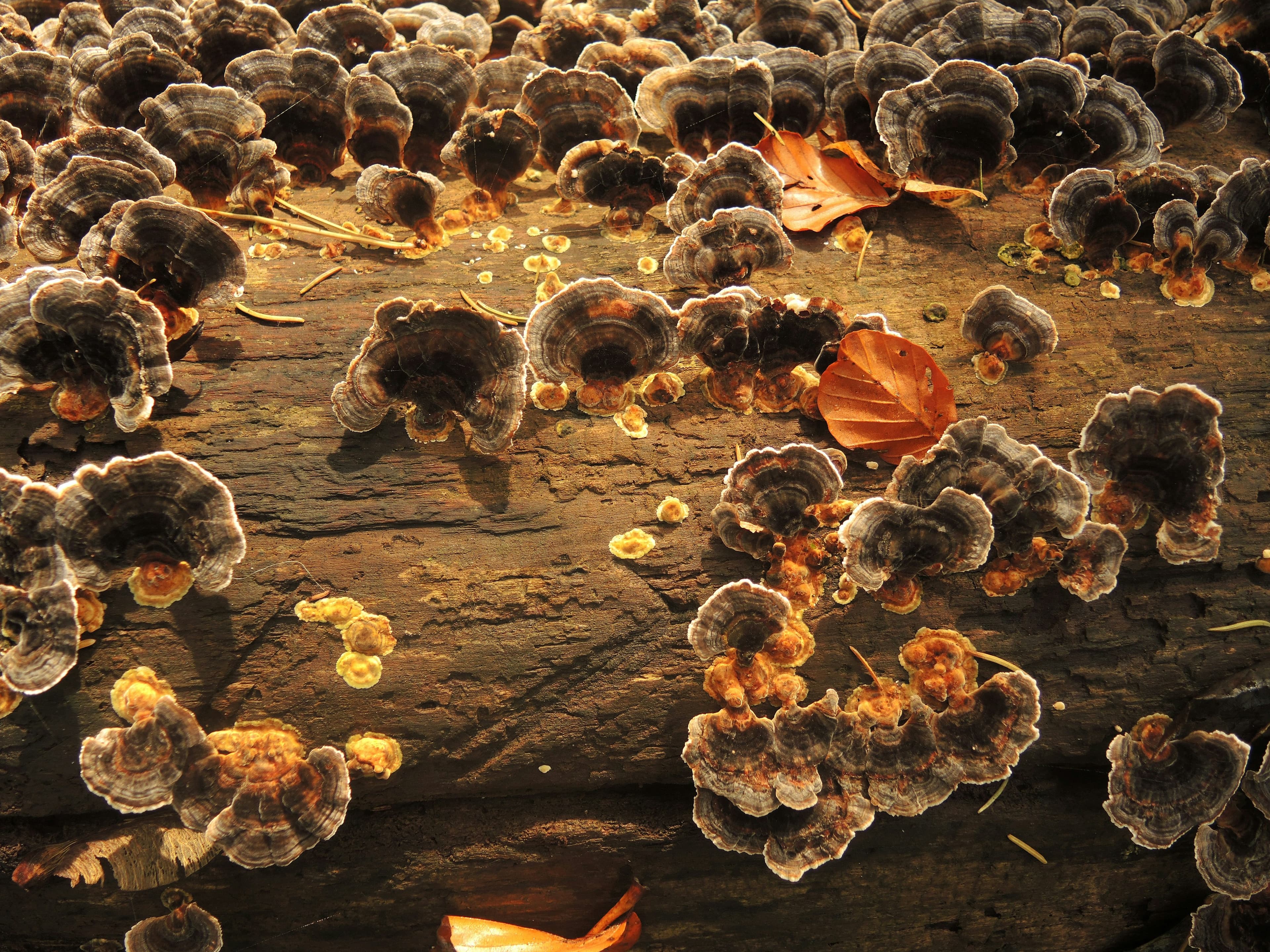
Does the lack of microbial competition significantly enhance boreal white-rot fungi's capacity to degrade organic pollutants and uptake toxic elements?
JUFO Level 1 • 5 panels
In mycoremediation research, boreal white-rot fungi (WRF) exhibit distinct capabilities in degrading organic pollutants and uptaking toxic elements depending on microbial competition. Unsterilized substrates favor PAH removal through synergistic microbial interactions, while sterilized conditions enhance PTE uptake, suggesting a dual strategy for effective site rehabilitation.
Water environment research
Optimizing Nutrient Cycling in Organic Waste Composting: Role of SSP and Phanerochaete chrysosporium in Mitigating Nitrogen Loss and Efficient Lignocellulose Degradation.
JUFO Level 1 • 5 panels
Optimizing composting involves improving nutrient cycling and decomposition rates. This study reveals that calcium superphosphate (SSP) and the fungus Phanerochaete chrysosporium boost lignocellulose degradation by up to 55% and significantly reduce nitrogen loss during composting. By enhancing microbial richness, this approach improves compost quality and efficiency, aiding sustainable waste management.