 Research Articles
Curated archive
Archive tools
Search and browse the archive
Use search to refine article topics, then move between numbered pages without losing the current query.
Showing 277-288 of 316 articles
Page 24 of 27
Journal of the American Chemical Society
Enantioselective Biosynthesis of (+)- and (-)-Auranthines.
JUFO Level 3 • 4 panels
Enantioselective biosynthesis refers to the production of molecules that are identical except for their mirror-image orientation, known as enantiomers. This study identifies distinct nonribosomal peptide synthetases (NRPSs), NitA and NitC, responsible for synthesizing the enantiomers (+)- and (-)-auranthines. These findings underline NRPS diversity's role in producing stereochemically complex fungal metabolites.
Microbiology spectrum
Deciphering Aspergillus section Terrei in Galleria mellonella model: a clade-specific pathogenicity characterization.
JUFO Level 2 • 7 panels
Galleria mellonella larvae, an invertebrate model, are employed in assessing fungal virulence. This study explores the pathogenic potential of 19 Aspergillus species from the Terrei section, organized into Terrei, Nivei, and Ambigui clades. Findings indicate notable virulence variability across clades, with certain cryptic species exhibiting heightened pathogenicity, underscoring the complexity within Aspergillus section Terrei.
Journal of the American Chemical Society
Non-Canonical Type II Terpene Cyclases Deliver Rare Terpenoid Architectures.
JUFO Level 3 • 4 panels
Terpene cyclases are enzymes critical for constructing diverse terpenoid structures. In Aspergillus fresenii, researchers have identified a unique Type II terpene cyclase pathway responsible for synthesizing the rare radarin scaffold. A specific regioselective IDT epoxidase modifies 3'-geranylgeranylindole, highlighting a novel biosynthetic route for intricate IDT architectures.

Microbiology spectrum
The GPCR antagonist PPTN synergizes with caspofungin providing increased fungicidal activity against Aspergillus fumigatus.
JUFO Level 2 • 7 panels
The G-protein coupled receptor (GPCR) antagonist PPTN, when combined with caspofungin (CAS), demonstrates enhanced fungicidal effects against Aspergillus fumigatus resistant strains. This synergy not only targets CAS- and voriconazole-resistant A. fumigatus but also extends to Candida species, positioning PPTN as a promising adjuvant in antifungal therapy.
Microbiology spectrum
Impact of tebipenem pivoxil on the intestinal microbiota and on establishment of colonization with carbapenem-resistant Klebsiella pneumoniae in mice.
JUFO Level 2 • 7 panels
Tebipenem pivoxil, an oral carbapenem antibiotic, and the MBL inhibitor CS319 were examined for their impact on intestinal microbiota and colonization by carbapenem-resistant Klebsiella pneumoniae in mice. Notably, while disrupting microbiota, these treatments did not facilitate K. pneumoniae overgrowth, suggesting potential for antibiotic use without significant pathogen colonization risk.
eLife
Single-cell eQTL mapping in yeast reveals a tradeoff between growth and reproduction
JUFO Level 2 • 11 panels
Expression quantitative trait loci (eQTLs) link noncoding DNA variants to phenotypic traits. Utilizing single-cell RNA sequencing (scRNA-seq) in yeast, researchers identified eQTL interactions with cell-cycle stages, mapping key loci impacting cell-cycle progression. Notably, a GPA1 variant boosts mating efficiency while hindering growth, suggesting evolutionary trade-offs in outcrossing contexts.
Journal of the American Chemical Society
Biosynthesis of the Central Tricyclic Skeleton of Trichothecene Mycotoxins.
JUFO Level 3 • 4 panels
In "Biosynthesis of the Central Tricyclic Skeleton of Trichothecene Mycotoxins," researchers elucidate the biosynthetic mechanism of the crucial 12,13-epoxytrichothec-9-ene (EPT) motif. They discovered that the acetylation of precursors by O-acetyltransferase Tri3 enhances the leaving group, while the novel cyclase Tri14 facilitates efficient cyclization, resolving a long-standing challenge in trichothecene synthesis.
Paleobiology
Terrestrialization: toward a shared framework for ecosystem evolution
JUFO Level 2 • 5 panels
Terrestrialization, the transition of life from aquatic to terrestrial environments, is explored in this synthesis of fossil and molecular data. The study provides a unified framework for understanding ecosystem evolution, emphasizing fungi's critical role. By aligning paleontological and molecular phylogenies, it highlights discrepancies crucial for refining evolutionary models in mycology.
.jpg&w=3840&q=75)
Organic and biomolecular chemistry
Studies in enantioselective microbial deuteration.
JUFO Level 2 • 4 panels
The study explores reductive microbial deuteration, a process involving isotope labelling using deuterium, focusing on yeast strains like Saccharomyces cerevisiae and Pichia pastoris. Results highlight >95% deuteration with maintained enantioselectivity, emphasizing non-traditional microbes and the utility of molecular rotational resonance spectroscopy for precise deuteration analysis.
Mycologia
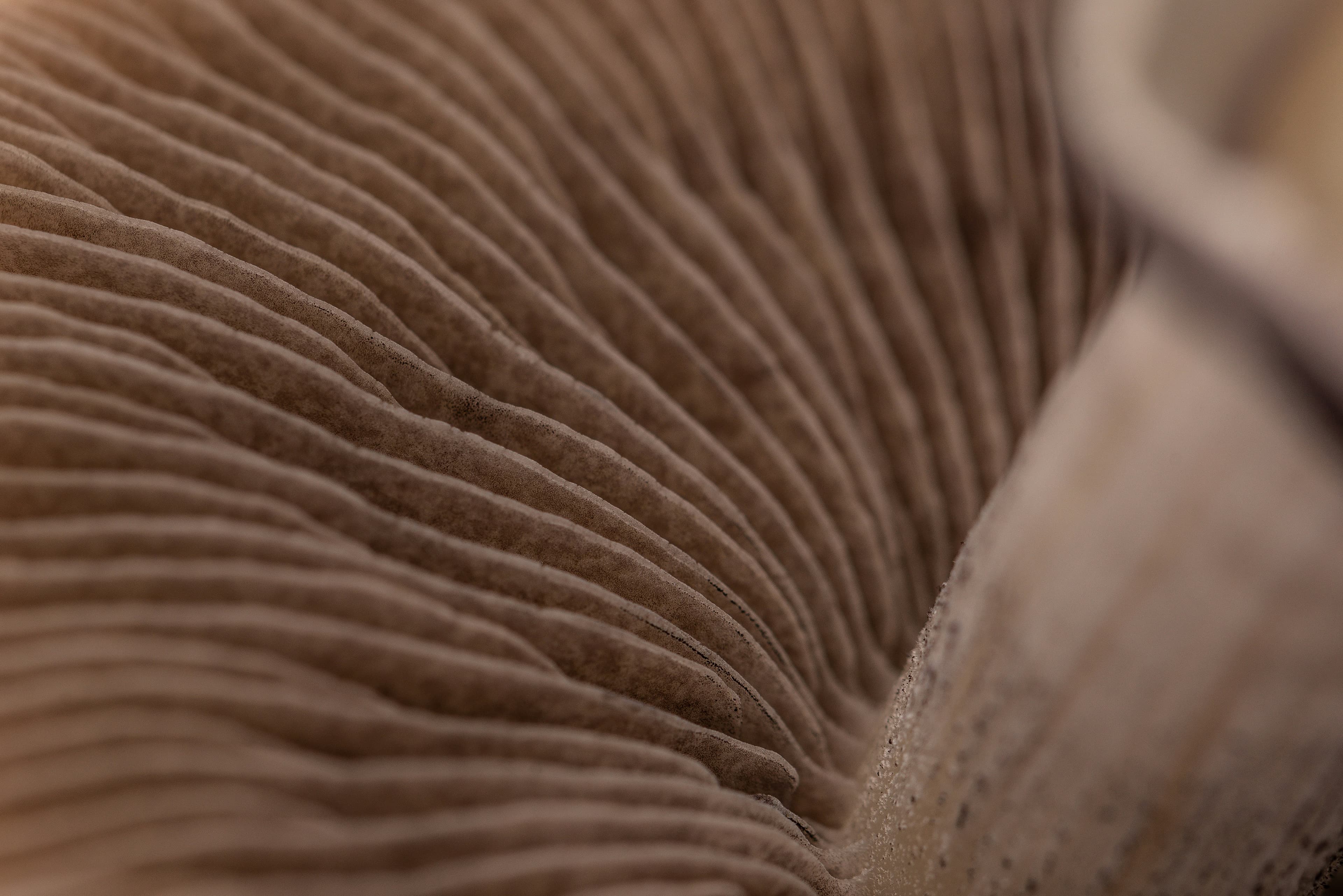
Multilocus phylogeny contributes to fungal taxonomy with three novel species of Conocybe (Bolbitiaceae) from southern Punjab, Pakistan.
JUFO Level 2 • 6 panels
Multilocus phylogenetic analysis, integrating multiple gene sequences for evolutionary study, has led to the identification of three new Conocybe species from southern Punjab, Pakistan. This research underscores the genus's diversity within Bolbitiaceae, offering deeper insights into fungal taxonomy and regional biodiversity.
Proceedings of the National Academy of Sciences of the United States of America
Cryo-ET reveals the in situ architecture of the polar tube invasion apparatus from microsporidian parasites.
JUFO Level 3 • 24 panels
Microsporidia, divergent fungal pathogens, utilize a polar tube (PT) to invade host cells. Using cryoelectron tomography, researchers have elucidated the PT's architecture in Encephalitozoon intestinalis, identifying four layers: two protein layers, a membrane, and a dense core. This study advances our comprehension of the PT's structural integration, offering insights into microsporidian infection mechanisms.
Fungal diversity
Micro-fungi in southern China and northern Thailand: emphasis on medicinal plants
JUFO Level 3 • 6 panels
In mycology, micro-fungi refer to microscopic fungi, often found living in symbiosis with plants. This study from southern China and northern Thailand enhances our understanding by introducing a new fungal order, Oncopodiellales, two families, Catenuliconidiaceae and Oncopodiellaceae, a new genus, Biascospora, and 48 novel species, highlighting the biodiversity linked with medicinal plants in these regions.